HELLO

WELCOME
Systems Analyst | DevOps Engineer
Limitless Casino Review: Player Reputation, Pros, Cons, and What NZ Players Should Know

Marcelo L. Oliveira

DevOps Engineer

© 2023 Marcelo L. Oliveira. All Rights Reserved

maio 19, 2026
Limitless Casino Review: Player Reputation, Pros, Cons, and What NZ Players Should Know

Limitless Casino is an offshore online casino that clearly aims at players who like a faster, crypto-friendly style of play and a pokies-heavy game menu. For New Zealand beginners, that combination can look appealing: familiar slot-style entertainment, broad access from NZ, and a site built around quick sign-up and simple navigation. But the biggest question is not whether it is easy to use. It is whether the platform gives players enough clarity on the things that matter most: licensing, dispute handling, banking limits, and how the bonus terms actually work in practice.

This review takes a practical look at those points. Instead of treating every offshore casino as either brilliant or dodgy, the better approach is to separate convenience from protection. That matters a lot here because some key details about Limitless Casino are inconsistent across public sources. If you are a Kiwi punter deciding whether it fits your bankroll and risk tolerance, the right lens is simple: what works well, what feels limited, and where caution is sensible.

Limitless Casino Review: Player Reputation, Pros, Cons, and What NZ Players Should Know

If you want to inspect the brand directly while keeping your own judgment front and centre, the official site is Limitless Casino. The rest of this review explains how to assess it without getting carried away by bonus headlines or vague reputation claims.

First impression: what Limitless Casino appears to do well

Limitless Casino is a relatively new platform, established in 2022, and it has built its offer around a few clear ideas. The first is crypto-first convenience. The second is a compact game library rather than a giant multi-provider catalogue. The third is a strong focus on pokies, which is a sensible choice for New Zealand players because “pokies” is the local term people naturally expect to see. That localisation is real at a basic level, even if the overall site still feels offshore rather than deeply NZ-specific.

For beginners, simplicity can be a genuine advantage. A smaller game library can be easier to understand than a sprawling lobby with hundreds of unfamiliar titles. If you mainly want slots, a few table options, and a quick route to the cashier, Limitless Casino may feel less overwhelming than a broader casino brand. Its software comes primarily from Realtime Gaming and SpinLogic Gaming, so the selection is curated rather than endless. That means less choice, but also less clutter.

Pros and cons at a glance

Area What looks good What to watch
Game range Strong pokies focus; familiar style for NZ players Limited provider mix compared with larger casinos
Access for NZ players Confirmed to accept players from New Zealand Offshore status means different protections than a fully regulated local model
Payments Crypto-centric approach can suit users who prefer speed Public information on fiat options is not as clear as it should be
Bonuses Promotional structure is designed to be attention-grabbing Terms and caps matter more than headline percentages
Trust signals SSL encryption is present Licensing details are inconsistent across sources
Support and complaints Standard help channels are likely available No clearly verified independent ADR path was found in the available facts

Reputation, licensing, and why this is the most important section

The biggest issue with Limitless Casino is not the game library or design. It is the uncertainty around licensing. Public sources do not agree on the regulatory picture. Some refer to Anjouan Gaming in Comoros, others mention a Curacao licence number, and some reviews say the casino operates without a clearly verifiable licence. That inconsistency is a problem because licensing is what usually tells a player how complaints might be handled, what standards apply, and whether there is any meaningful external oversight.

For a beginner, this can be easy to underestimate. A casino can still look polished, run smoothly, and offer familiar games while leaving major questions unresolved. In practical terms, the issue is not just the label on a licence page. It is whether the licence is easy to verify, whether the operator is transparent, and whether players would have an obvious route for escalation if a dispute arose. Based on the available facts, Limitless Casino does not offer the kind of certainty that stronger regulated brands usually provide.

That does not automatically make it unusable, but it does shift the burden onto the player. If you play here, you should assume that protections may be thinner than on a tightly supervised market-facing brand. In plain language: treat it as an offshore casino with uncertain oversight, not as a site with clearly proven regulatory robustness.

Games, pokies, and what the library means in practice

The core of the library is RTG and SpinLogic pokies. That matters because many NZ players are looking for slot-style entertainment first, and Limitless Casino appears built around that habit. The set-up is more about depth within a narrow lane than breadth across many studios. You are less likely to find a giant mixed catalogue and more likely to find a focused selection that emphasises the same kind of gameplay again and again.

That can be a plus if you like consistency. It can also be a limitation if you enjoy comparing providers, RTP profiles, volatility levels, and different bonus mechanics across many studios. A single-provider-style ecosystem often feels cleaner, but it also reduces variety. Beginners sometimes read “curated” as “better”. In reality, it mostly means “smaller and easier to browse”.

The presence of pokies is also part of the platform’s NZ relevance. It shows that the casino is not ignoring local terminology. Still, the adaptation appears to stop at the game type and wording rather than extending into a deep New Zealand-specific product build. If you are expecting the kind of local payment flow or regulatory familiarity you might associate with domestic services, that is a different expectation entirely.

Payments, KYC, and the crypto question

Limitless Casino is described as crypto-centric, and that is an important clue about how the cashier is likely to feel. For players who already use digital currency, that may be a major convenience. For beginners who are used to NZ bank-linked methods such as POLi, that can be a different story. The do not confirm a full NZ-style banking stack, so it is safest to assume that fiat support may be narrower or less straightforward than at mainstream local-facing sites.

Another practical point is verification. Even when an offshore casino feels fast, KYC can still apply, especially if you use fiat currencies or trigger compliance checks. That means you should not treat the site as anonymous just because crypto is available. Expect identity and source-of-funds checks where required. If a site is promising instant frictionless use but then delays withdrawal verification, the real lesson is not that the platform is broken; it is that the payment story was simplified too much in the marketing.

For NZ players, the question to ask is not “can I deposit?” but “how predictable is the whole payment cycle, from deposit to withdrawal and verification?” If that is unclear, proceed carefully and keep stakes modest until you understand the flow.

Bonuses: where the headline can mislead beginners

Bonus design is one of Limitless Casino’s most distinctive features. The platform positions itself around large match offers and “no rules” style promotions, which naturally attracts attention. But beginners often focus on the percentage and ignore the practical limits. That is usually where frustration starts.

The useful way to assess any casino bonus is to break it into five questions: how much do you need to deposit, how much wagering applies, what games count, what the bet cap is, and whether withdrawal limits reduce the real value. A very large bonus can still be a modest-value offer if the rules are tight or the cash-out ceiling is low.

  • Match size: headline percentage matters, but only alongside the fine print.
  • Wagering: lower wagering is better, but game contribution rules can still weaken value.
  • Time limit: short expiry windows can make a generous offer hard to complete.
  • Bet caps: these can quietly invalidate bonus play if you exceed them.
  • Withdrawal caps: these can limit how much you actually keep from a win.

In short, promotions here may be attractive for bonus hunters, but they deserve the same level of scrutiny as any other offshore casino deal. Read them like a contract, not like a slogan.

Security, fairness, and the parts that are easy to overstate

There are a few positive technical signals. The website uses SSL encryption, which is standard but still important. The game providers, RTG and SpinLogic, are established names, and their RNG systems are generally subject to third-party audit practices in the broader industry. That supports a basic level of technical credibility.

Still, beginners should not confuse technical security with complete trust. SSL protects data in transit; it does not answer licensing questions. Software-provider reputation helps with fairness; it does not guarantee how every dispute will be handled. This is exactly why reviews should separate “the site looks secure” from “the operator is fully and clearly accountable”. With Limitless Casino, those are not the same thing.

Risks, trade-offs, and when the fit is poor

Every offshore casino trades something for convenience. In this case, the trade-off is fairly clear: you may get a focused pokies-first experience and fast-moving crypto-style access, but you give up clarity around oversight and complaint resolution. That is manageable for some players and unacceptable for others.

Limitless Casino is probably not the best fit if you want:

  • obvious local-style payment methods and banking familiarity
  • strong, easily verified regulatory protection
  • a large multi-provider game library
  • clear independent dispute escalation
  • a bonus system that feels simple at first glance

It may be a more realistic fit if you already understand offshore casino risk, are comfortable with crypto, prefer pokies, and plan to keep your bankroll controlled. Beginners can use it, but only if they approach it as a higher-uncertainty option rather than a default safe choice.

Practical checklist for NZ beginners

Before you deposit, check this Why it matters
Can you verify the licence yourself? Inconsistent licensing is the main trust issue here
Do you understand the bonus cap and wagering? Promotions may look bigger than their real value
Do you know which payment method you will actually use? Crypto and fiat can involve very different withdrawal flows
Have you set a strict bankroll limit? Offshore casinos can make it easy to keep playing past your plan
Are you comfortable with limited ADR clarity? Complaint handling may be weaker than on strongly regulated sites

Mini-FAQ

Is Limitless Casino suitable for New Zealand players?

Yes, it is confirmed to accept players from New Zealand. The bigger question is not access, but whether you are comfortable with offshore oversight and the uncertainty around licensing details.

Is Limitless Casino legit?

It is a real casino platform, but the public licensing picture is inconsistent. That means you should treat legitimacy as partial and carefully assess the risks before depositing.

What kind of games does it focus on?

Primarily pokies from RTG and SpinLogic Gaming, plus a smaller selection of other casino-style games. It is a focused library rather than a huge mixed catalogue.

Is it better for crypto users or card users?

It appears better aligned with crypto users. Public information suggests a crypto-centric approach, while NZ-style fiat convenience is not as clearly established.

Final verdict

Limitless Casino is best understood as an offshore pokies-first casino with a strong crypto orientation and a meaningful trust gap around licensing. For beginners in New Zealand, the pros are easy to spot: familiar pokies, a simple layout, and the promise of fast access. The cons are more important: unclear regulatory consistency, limited evidence of robust dispute handling, and bonus terms that may be less generous in practice than they look at first sight.

If you are careful, disciplined, and already comfortable with offshore gambling risk, it may be worth a closer look. If you want the safest possible route, clearer oversight, and a broader game selection, there are better-profiled options to compare before you commit real money.

About the Author
Isla Smith is a gambling writer focused on clear, beginner-friendly casino reviews and practical risk analysis for New Zealand readers.

Sources
provided for this review, including operator background, platform access, software providers, encryption, and publicly reported licensing inconsistency.

More Details
maio 19, 2026
Cocoa Bonuses and Promotions: A Value Check for Experienced Aussie Punter

For experienced players, a bonus is never just “extra money”. It is a trade-off between headline value, wagering friction, game restrictions, withdrawal limits, and the risk that the offer is built to keep you in play longer than you planned. Cocoa Casino sits squarely in that category. Its promotions can look generous on the surface, but the practical value depends on whether you can clear the playthrough, whether your preferred games count, and whether the cashout path is worth the effort in Australia. If you know how to read bonus terms properly, you can separate real upside from the sticky parts that usually catch casual punters out.

If you want the brand page itself, the cleanest place to start is Cocoa bonuses. The real question, though, is not whether the offer looks big. It is whether the bonus structure suits a player who understands variance, cashout friction, and the cost of being locked into a long wagering cycle.

Cocoa Bonuses and Promotions: A Value Check for Experienced Aussie Punter

What Cocoa bonuses are actually doing

Cocoa’s promotions are best understood as volume tools, not simple giveaways. The point to very large percentage offers, typically tied to wagering on the deposit plus bonus, and they are described as sticky or non-cashable. That means the bonus credit is there to help you bet more, but it is not money you can simply cash out once the wagering clears. For a casual punter, that can feel generous until the fine print turns the offer into a long grind. For an intermediate or experienced player, the question is more mathematical: does the extra betting volume improve expected value enough to justify the restrictions?

In practice, the value comes from three things:

  • how much extra bankroll the promotion gives you before variance hits;
  • how demanding the wagering requirement is relative to the size of the bonus;
  • how much of your real balance is exposed to slow settlement, low limits, or verification friction when you withdraw.

That last point matters more at Cocoa than at many cleaner operators, because the withdrawal experience has been reported as slow and sometimes sticky in its own right. A bonus that looks strong can lose a lot of practical value if your eventual cashout is capped, delayed, or stuck in pending status for days.

How to judge the offer without getting trapped by the headline

The simplest way to assess a casino bonus is to ignore the percentage first and look at the mechanics. A 400% bonus sounds huge, but if it is sticky, has a 30x wagering requirement on deposit plus bonus, and comes with a narrow game set, the real value can shrink fast. In that setting, the bonus is not free money. It is temporary betting fuel.

Checklist item What to look for Why it matters
Bonus type Sticky / non-cashable vs cashable Sticky credits increase play volume but do not convert into withdrawable funds
Wagering basis Deposit only or deposit + bonus Deposit + bonus makes the turnover target much larger
Wagering multiple 25x, 30x, 35x or more Higher multiples reduce practical value and increase time in play
Eligible games Slots only or broader catalogue Game restrictions can make it hard to clear efficiently
Max bet during wagering Any capped stake rule Breaking it can void the bonus
Withdrawal ceiling Daily or weekly limits Large wins may come out slowly even after success

Here is the practical math problem with a typical sticky setup. If you deposit A$50, receive A$200 bonus, and the bonus must be cleared at 30x on the combined amount, the turnover target becomes A$7,500. That is not impossible, but it is a meaningful workload. The real issue is that the bonus balance is not yours in the same way a cashable offer would be. You can wager through it, but if the session ends badly, a large part of the apparent bankroll disappears.

This is why experienced players usually think in terms of value capture, not bonus size. A smaller, cleaner promo can be better than a massive sticky one if the rules are lighter and the withdrawal path is less obstructive. That is especially true at a legacy offshore operator where the bonus may look exciting but the ecosystem around it is slower than the marketing suggests.

Australian payment context changes the bonus value

The payment side is part of the bonus conversation because it affects how easily you can enter, exit, and reuse funds. For Australians, Cocoa’s practical methods are more aligned with offshore habits than with local banking convenience. The indicate Visa and Mastercard, Bitcoin, Litecoin, Neosurf, and wire transfer are the relevant options, while PayID and BPAY are not directly supported. That matters because many Aussie punters are used to instant local rails. Here, you are often working around them instead.

Deposits by card can fail more often because of bank blocks, and that introduces another form of friction: some users end up needing extra verification or card-authorisation checks before they even get started. Crypto is usually the cleaner route when you care about payment success and speed, especially if your goal is to avoid repeated card failures. But crypto does not automatically solve the withdrawal issue. It simply tends to be the least messy available lane.

For an experienced player, the key question is not “which payment method is fastest in theory?” It is “which method is least likely to generate a support loop, a banking block, or a document request at the exact point where I want to leave?” On that measure, Cocoa bonuses are more attractive if you already have a crypto workflow and you are comfortable handling exchange steps before depositing.

  • Best fit for bonus hunters: Bitcoin if you already use crypto confidently.
  • Most awkward for Australians: cards, because of bank interference and potential KYC drag.
  • Least useful for speed: wire transfer, because the limits and fees make it poor value for smaller bonus sessions.

Where the real risks sit: sticky terms, low limits, and pending loops

The largest risk with Cocoa is not that the games are fake. The operator is a legacy offshore casino group with genuine game supply. The bigger issue is business model friction: sticky bonuses, withdrawal delay windows, and low payout limits that can make even a decent win feel less useful than it should. If you are the sort of player who wants clean turnaround and simple cash movement, that is a serious drawback.

Three risks deserve special attention:

  1. Sticky bonus structure. The bonus money is not truly withdrawable, so the offer has higher variance than a standard cashable deal. You can run through a lot of wagering and still end with little practical gain.
  2. Withdrawal delays. point to processing windows of 1 to 7 business days, with real-world crypto testing showing even longer total time once pending and KYC checks are included. That means your money can sit in the system long enough to be reversible or re-reviewed.
  3. Low payout limits. Daily and weekly caps can be restrictive, especially after a large win. If you clear a bonus and hit a decent result, you may still have to collect it in instalments.

For experienced punters, this is the central trade-off. Cocoa can give you more spins or more betting action up front, but it can also slow the exit. That changes the true value of the promotion. If your bankroll plan depends on quick recycling, the bonus is less attractive. If you are specifically hunting high-variance opportunities and are happy to play through a long cycle, the offer has more justification, but only with strict bankroll discipline.

One useful way to think about it is this: a bonus is valuable when it increases your number of shots without dramatically increasing your risk of being trapped in the system. Cocoa’s promotions do increase shot count, but the second half of that sentence is where most of the friction lives.

How to approach Cocoa bonuses like an experienced player

If you still want to use the promotions, the smartest approach is to treat them as structured sessions rather than open-ended play. Decide your maximum outlay before you deposit, assume the bonus will not convert cleanly, and do not scale your stake sizes just because the bonus credit makes the balance look bigger. That is where many players get overconfident and give back the real money portion before the wagering even begins.

A practical approach looks like this:

  • Choose a deposit amount you can lose without needing the withdrawal to work perfectly.
  • Prefer payment methods that minimise banking problems and documentation churn.
  • Read the wagering rules before the first spin or punt, not after the bonus is activated.
  • Watch max-bet rules and restricted games carefully.
  • Assume the cashout will take longer than the marketing implies.

Experienced players sometimes ask whether big sticky bonuses are ever “worth it”. The honest answer is: sometimes, but only when your goal is entertainment value and variance exposure, not clean withdrawal efficiency. In other words, the offer may be mathematically interesting while still being operationally poor. Cocoa sits in that overlap.

Mini-FAQ

Are Cocoa bonuses good value for experienced players?

They can be, but only if you accept the sticky structure, the wagering load, and the withdrawal friction. For players who value clean cashout behaviour, the value is weaker than the headline percentage suggests.

What is the biggest mistake punters make with these promos?

They focus on the size of the bonus and ignore whether it is cashable. A huge bonus with harsh terms often creates more turnover than usable value.

Which payment method makes the most sense in Australia?

Bitcoin is the most practical option in the available set if you already use crypto. Cards can be blocked more often, and wire transfer is usually too slow and expensive for smaller bonus play.

Can a successful bonus session still be hard to withdraw?

Yes. Low limits, document checks, and pending periods can slow the process even after you meet the wagering conditions.

Bottom line

Cocoa bonuses are not useless, but they are not simple either. They suit experienced players who understand variance, can tolerate slower withdrawals, and are comfortable reading fine print closely. If you want the cleanest possible bonus experience, this is not the strongest category of offer. If you want large betting volume and are prepared for sticky rules, it can still be a workable high-variance tool. The safest view is to treat Cocoa promotions as a structured, friction-heavy bonus rather than a straightforward value play.

About the Author
Ivy Black writes analytical casino and bonus breakdowns with a focus on practical value, wagering mechanics, and withdrawal realities for Australian players.

Sources
provided for Cocoa Casino, including operator identity, payment method notes, bonus structure, withdrawal behaviour, limits, and community risk assessment.

More Details
maio 19, 2026
Titan Poker UK: Platform Overview, Features and What Beginners Should Know

Titan Poker is a long-running poker brand built on the Playtech iPoker network, and that network structure matters more than most beginners realise. For UK readers, the key point is simple: this is an offshore-style poker room with no UKGC licence and no active UK-facing registration path for new UK players. That does not make it automatically “good” or “bad”; it means you should understand the software, traffic, payments, and limits before making any decision. This guide explains how Titan Poker works in practice, what the client is like to use, where the value can come from, and where the trade-offs sit for British punters.

If you want to explore the brand itself, you can learn more at https://titanspocer.com. The aim here is not hype. It is to help beginners judge whether the lobby, liquidity, bonus structure, and account rules fit the way they actually play.

Titan Poker UK: Platform Overview, Features and What Beginners Should Know

What Titan Poker Is, and Why the Network Matters

Titan Poker is a white-label skin on the Playtech iPoker Network. In practical terms, that means the front end is the Titan Poker brand, while the shared liquidity and software backbone come from Playtech. For players, the network matters because poker is only as useful as the tables you can actually sit in. A polished lobby is nice, but if traffic is thin at your preferred stake or game type, the experience quickly becomes frustrating.

For UK readers, there is an extra layer of caution. Titan Poker officially withdrew from the United Kingdom market several years ago, and the site blocks UK IP addresses from registration. Historical UK domain routes are no longer active, and grey-market mirrors should be treated as high risk. That is an important distinction: a room can have solid software and still be unsuitable or unavailable for a British resident. Beginners often mix up “recognisable brand” with “available and appropriate for me”. Those are not the same thing.

Another practical point is licensing. Titan Poker operates under a Malta Gaming Authority licence, not a UK Gambling Commission licence. That means the site may function legally in its licensed jurisdiction, but it does not offer UKGC oversight for British users. In beginner terms: fewer UK-specific protections, more responsibility on you to verify access, payments, and account status before you do anything.

Software, Game Types and Daily Use

The Titan Poker experience is centred on the downloadable Windows client, with an HTML5 instant-play option for browser access. The desktop client is the main tool, and that is visible the moment you open the lobby. It is functional rather than flashy, which is often a positive in poker. Mature software can feel a bit dated, but it usually loads quickly, handles table management well, and avoids the clutter that slows some newer products down.

From a beginner’s point of view, the important question is not whether the interface looks modern. It is whether you can find games, understand the filters, and keep track of your tables without confusion. Titan Poker is best suited to players who want standard poker formats rather than a heavily gamified experience.

Area What beginners should know Why it matters
Desktop client Primary way to play, with a stable mature build Better for multi-tabling and table control
Web play HTML5 instant play is available Useful if you do not want a full download
Game mix Cash games, Speed Poker, scheduled tournaments and side games Helps you choose a format that matches your pace
Traffic Shared iPoker liquidity rather than isolated room traffic More chance of finding action, especially at common stakes
Stakes Cash games and some higher limits can run, but availability varies Game selection depends on the hour and format

As an iPoker skin, Titan Poker draws from a global player pool. That is the real value proposition for many rooms on this network: you are not relying solely on brand-specific traffic. In everyday terms, that can mean more stable table availability in NLHE and PLO, plus fast-fold action through the Speed Poker format. Beginners should still expect variation. A poker network can be healthy overall while specific games or obscure variants remain thin.

Titan Poker also includes casino side games inside the client, mostly Playtech titles. That is convenient, but convenience can become a trap. Poker and casino are different products with different risk profiles. If you sit down to play poker, it is sensible to treat side games as separate from your poker budget rather than as a harmless add-on.

Bonuses, VIP Value and the Real Cost of Clearing Offers

One of Titan Poker’s long-standing hooks is its welcome bonus, commonly structured as 200% up to €1,500. On paper, that sounds generous. In practice, the value depends on how fast you generate Titan Points and how much rake you are actually paying. Beginners often see the headline amount and assume they are getting free money. That is not how poker bonuses work.

The bonus is released in small chunks as you earn points through real play. A typical structure is €5 unlocked for every 400 Titan Points. Because those points are tied to rake generation, the bonus behaves more like a rebate than a lottery ticket. For steady players, that can be useful. For occasional players, it may be slow to clear and may never become meaningful before the account sits idle.

A simpler way to think about it is this: if you are already planning to play enough volume, the bonus can soften the cost of rake. If you are not, the headline number is mostly cosmetic. The same logic applies to Titan VIP Club rewards. Effective rakeback can look attractive, but only if your play pattern matches the system.

Key things beginners should check before valuing any promotion:

  • How points are earned, and whether tournament fees count the same as cash-game rake.
  • Whether the bonus releases in increments or as a single lump.
  • Whether the account has to stay active to preserve the offer.
  • Whether you are likely to generate enough volume to make the reward meaningful.

For many beginners, the most honest conclusion is that Titan Poker’s promotion structure favours regulars over casuals. That is not unusual in poker, but it is easy to miss if you only read the headline percentage.

Banking, Withdrawals and the Main Friction Points

Banking is where many offshore or legacy poker rooms become less beginner-friendly. For UK players, Titan Poker has a major limitation: UK banking is blocked. That means the common British methods people expect to use at regulated UK sites are not the same here, and the room is not designed around everyday UK account access.

For global users or legacy accounts, the listed methods are more standard MGA options such as debit cards and e-wallets, but the exact availability depends on account context and jurisdiction. The important lesson is not the brand of card or wallet. It is to expect friction, verify access carefully, and avoid assuming that a method common on UK-licensed sites will work here.

Withdrawals also include a pending period, which can be a nuisance for players used to faster modern cash-outs. A pending window means a request may sit in review before processing starts, and during that time some rooms allow cancellation or reversal. That can feel player-unfriendly, but it is part of the legacy operating model many older poker rooms still use.

  • Best case: You know the process in advance, verify your account early, and avoid surprises.
  • Common mistake: Expecting the same card, bank, and e-wallet setup you would use on a UKGC site.
  • Practical rule: Never deposit on the assumption that withdrawals will be equally smooth.

For beginners, the safest mindset is to treat banking as part of the decision to play, not as an afterthought.

Risks, Trade-Offs and What Beginners Often Misread

Titan Poker has a few strengths that matter to analytical players: mature software, shared liquidity, HUD-friendly poker culture, and a structured rewards system. But the trade-offs are equally important. The biggest one for UK readers is availability. If access is blocked or the brand is not designed for the UK market, the theoretical feature set is less relevant than the practical reality on your screen.

Another common misunderstanding is to assume that an established network guarantees a beginner-friendly environment. It does not. A strong network can still contain tougher line-ups, especially at small to mid stakes where regulars grind efficiently. If you are new to poker, tougher tables can make your learning curve steeper and your bankroll last shorter than expected.

There is also the casino side-game issue. Integrated slots and instant games are convenient, but they can distract from disciplined bankroll management. If you are trying to learn poker properly, mixing formats too casually can blur the line between a skill-based plan and a chasing-losses habit.

Good reasons to be cautious:

  • No UKGC licence for British players.
  • UK IP registration is blocked on the main domain.
  • Grey-market mirrors can be unsafe and hard to verify.
  • Banking rules may not match what UK punters expect.
  • Promotions can be less valuable than they first appear if your volume is low.

Good reasons some players still study the brand:

  • Stable Playtech iPoker software.
  • Shared network liquidity.
  • Familiar desktop-first poker workflow.
  • Structured loyalty logic for regulars.

A Beginner Checklist for Judging Titan Poker

Use this checklist as a practical filter rather than a sales pitch. If several boxes do not fit your situation, the brand is probably not a sensible starting point.

  • Can you legally and safely access the room from the UK?
  • Does the licence match the protections you want?
  • Do the available payment methods suit your bank or e-wallet?
  • Will the games you want actually run at your preferred times?
  • Is the bonus likely to clear at your real volume, not your hoped-for volume?
  • Are you comfortable with a desktop-first client rather than a mobile-first one?
  • Can you separate poker bankroll management from casino temptations?

If your answer to most of those is “no” or “not sure”, the room is probably worth studying rather than rushing into.

Mini-FAQ

Is Titan Poker available to UK players?

Not in the normal UK-facing sense. Titan Poker withdrew from the UK market several years ago, blocks UK IP addresses from registration, and does not hold a UKGC licence.

What is Titan Poker best known for?

It is best known for being a Playtech iPoker skin with mature software, shared liquidity, and a bonus/VIP structure that can suit regular players more than casual ones.

Is the welcome bonus easy to clear?

Not necessarily. The offer is value-based, but it depends on rake generation and volume. Beginners should judge it by realistic play frequency rather than headline size.

Does Titan Poker have a mobile app?

There is no native iOS app for UK use, and the mobile experience is more limited than a modern app-led room. The web client is the more relevant alternative.

Final Take

Titan Poker is a useful case study in how a legacy poker brand can still have a role in the market: stable software, network liquidity, and a rewards model built around volume. For beginners, though, the more important question is whether it is appropriate in the UK context. The honest answer is that UK access, licensing, and banking restrictions are decisive. If you are simply researching the brand, the structure is worth understanding. If you are looking for a straightforward UK-friendly place to start, you should compare the rules, payments, and protections very carefully before going further.

About the Author
Lily Wilson writes evergreen gambling guides with a focus on regulation, product mechanics, and practical decision-making for UK readers.

Sources
Titan Poker brand and network structure; Malta Gaming Authority licensing details; Playtech iPoker network characteristics; UK gambling regulatory framework; responsible gambling guidance for UK players.

More Details
maio 18, 2026
Validation Check 2026-05-18 07:52:09

This is a validation post. Time: 2026-05-18 07:52:09

More Details
ago 12, 2022
Google Chrome redirecionando localhost para HTTPS

Sei que muitos se deparam com esse problema, então vou deixar essa dica rápida.

Quando estamos testando algo em desenvolvimento, ou seja, no localhost, raramente temos um certificado HTTPS instalado, mas o Chrome teima em redirecionar as requestes HTTP para HTTPS.

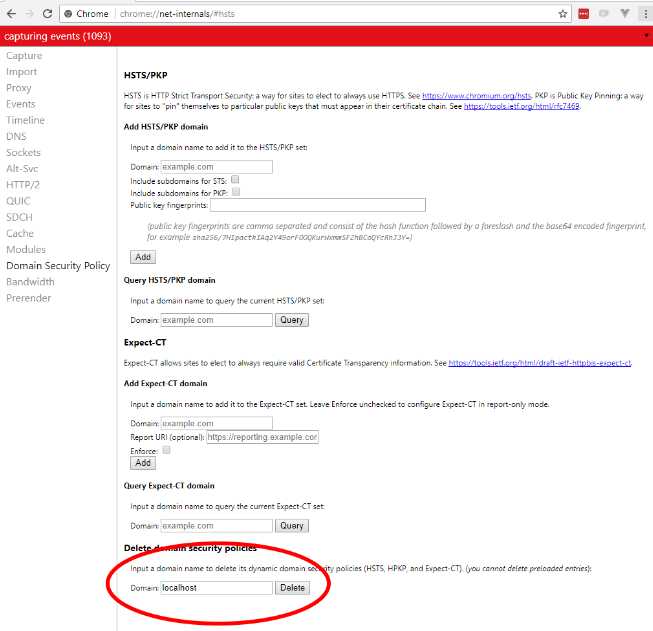
A solução é uma configuração no próprio browser. Acesse a seguinte URL:

chrome://net-internals/#hsts

Na tela de configuração, procure a seção “Delete domain security policies” e no campo “Domain” insira o domínio, no caso, “localhost”, conforme mostra a imagem abaixo.

Se essa dica te ajudou, siga-me nas redes! Instagram: @marceloweb1 e Twitter: @marceloweb. Siga também a @mesavirtual.

More Details